Why Exhibition Design Matters for B2B, Creative & Tech Brands

Keywords: exhibition design, exhibition stand design, trade show stand, event marketing, B2B exhibitions, creative exhibitions, tech trade shows, UK events

Short answer: Exhibition design is important because it determines whether your stand attracts the right people, tells a clear story about your brand, and converts passing interest into real sales opportunities.

This is especially true for B2B, creative and tech brands, where exhibitions and trade shows are often the biggest single investment in live marketing each year.

Why exhibition design is more than “just a stand”

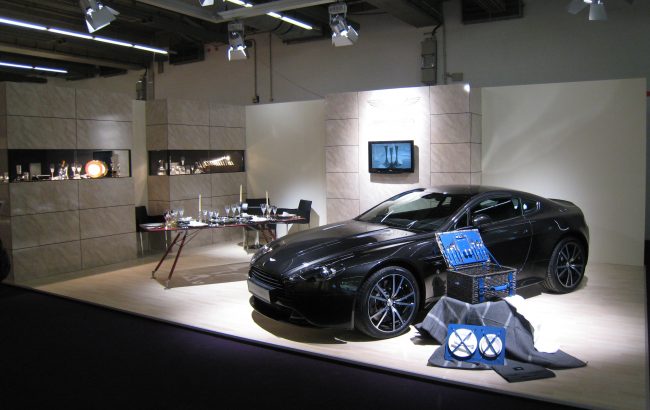
In a busy exhibition hall, your stand is no longer a backdrop – it’s a live, three-dimensional expression of your brand. The right design can:

  • Increase footfall and dwell time on your stand
  • Support your sales team with clear messages and stories
  • Showcase products and services in a memorable, interactive way
  • Deliver qualified leads that convert after the event
  • Reinforce your positioning in the market – innovative, premium, sustainable, specialist, etc.

Put simply: exhibition design is the difference between “being there” and being noticed, remembered, and chosen.

1. First impressions drive footfall

Visitors make snap decisions. In a few seconds, they decide whether to walk past or walk in. Strong exhibition design:

  • Communicates who you are and what you do at a glance
  • Uses bold, benefit-led headlines that speak to your ideal client
  • Creates a clear visual hierarchy so the eye knows where to go

For B2B brands, this means clearly stating the problem you solve and the outcomes you deliver. For creative and tech businesses, it’s also about showing your personality and innovation through visuals, lighting, motion and digital content.

2. Design shapes the customer journey

Good stand design doesn’t just look attractive – it guides behaviour. Layout, flow and zoning can be planned to:

  • Draw people in with open, welcoming entrances
  • Encourage exploration with product zones, demo areas and content hubs
  • Create quiet spaces for conversations and deal discussions

For example, a tech exhibitor might use a central demo island with screens and hands-on devices, surrounded by informal seating where the sales team can talk through solutions. A creative agency might prioritise portfolio displays, interactive installations and a hospitality area to host meetings and spark conversation.

3. It turns abstract brand values into something people can feel

Many brands talk about being innovative, customer-focused, sustainable or premium. Exhibition design is where you have the chance to prove it.

  • Innovation can be communicated through interactive screens, AR/VR, live demos and bold, future-facing visuals.
  • Sustainability can be shown through reusable structures, responsibly sourced materials and messaging around your environmental commitments.
  • Premium positioning can be reinforced with high-quality finishes, lighting design, carefully curated product displays and personalised hospitality.

For B2B audiences in particular, this level of detail builds confidence and credibility long before a formal proposal is ever sent.

4. Aligning design with your sales and marketing goals

Every stand should be designed around clear objectives. Typical goals might include:

  • Generating a specific number of qualified leads
  • Launching a new product or service
  • Positioning your brand in a new market or sector
  • Strengthening relationships with existing clients and partners

A strategic design team will ask questions such as:

  • “What does success look like for you at this event?”
  • “Who do you most want to attract to the stand?”
  • “What do you want people to remember and do after they leave?”

Only then will they translate those goals into layout, messaging, graphics, tech integration and on-stand activities.

5. Exhibition design for B2B brands

B2B exhibitions are often about complex solutions, long sales cycles and multiple decision-makers. The stand must work as an extension of your sales process.

Effective B2B stand design typically includes:

  • Clear problem-solution messaging that speaks to decision-makers and technical influencers
  • Case studies and proof points displayed in a simple, visual way
  • Spaces for presentations, demos and one-to-one conversations
  • Integrated lead capture tools to record conversations and next steps

UK example: A SaaS provider exhibiting at a London tech show might feature a live dashboard wall, clear “Before & After” metrics from existing clients, and a timed theatre area for 10-minute solution spotlights. The design supports the sales story: measurable impact, proven results, and a professional, scalable offering.

6. Exhibition design for creative & agency brands

Creative agencies, design studios and media companies need stands that are as distinctive as their portfolios. A standard shell scheme with a few posters won’t communicate your value.

For creatives, strong exhibition design might prioritise:

  • Immersive visual storytelling that showcases campaigns, installations or branding work
  • Interactive experiences (e.g. live sketching, content creation, mini photo sets, AR try-outs)
  • Spaces for relaxed conversations, where chemistry and ideas can develop

UK example: A Leeds-based creative agency at a marketing expo could build a stand around a “brand story lab”, inviting visitors to co-create campaign ideas on digital whiteboards, then follow up with a tailored concept deck post-event.

7. Exhibition design for tech brands & startups

Tech audiences want to see, touch and test. For software and hardware brands, design must make innovation tangible and easy to understand.

Key design considerations for tech exhibitors include:

  • Dedicated demo stations with clear signage
  • Short, impactful explainers rather than dense technical text
  • Data visualisation that shows value at a glance (time saved, revenue gained, risk reduced)
  • Charging points and Wi-Fi to encourage visitors to stay and interact

UK example: A cybersecurity firm at an exhibition in Manchester might create a “threat visualisation wall” displaying live simulations, with a side area where specialists walk visitors through how their platform responds in real time.

8. The ROI case: why design strongly affects results

Exhibition space, build, travel and staffing represent a significant investment. Without the right design, much of that spend is wasted.

Strong exhibition design can help you to:

  • Increase qualified leads per day
  • Improve conversion rates on follow-up
  • Ensure your brand is remembered after the event
  • Maximise the value of product launches, demos and meetings

Put bluntly: if your stand looks like everyone else’s, delivers a confusing message or makes it hard for your team to talk to the right people, your return on investment will suffer.

9. UK case study: turning a “presence” into performance

(Illustrative example – you can replace this with a real client story if you prefer.)

A mid-sized UK software company exhibiting at a major technology show had previously relied on a simple pop-up stand and brochures. Footfall was low and leads were often unqualified.

Working with a specialist exhibition design and events team, they:

  • Redesigned the stand with clear messaging (“Cut your onboarding time by 50%”)
  • Added demo pods where visitors could test the platform in under three minutes
  • Created a small presentation area for scheduled “power demos” throughout the day
  • Integrated lead capture and follow-up workflows with their CRM

At the next event, the brand saw:

  • Over 3x more qualified leads compared with the previous year
  • A significantly higher post-event conversion rate
  • New partnership opportunities that simply would not have happened without a more visible, professional presence

10. Designing for digital, data and follow-up

Modern exhibition design doesn’t stop at what people see on the day. It should connect with your digital channels and sales systems, so you can keep the conversation going.

That might include:

  • QR codes leading to landing pages, videos or demos
  • Appointment booking tools embedded into your event strategy
  • Branded content offers (e.g. whitepapers, calculators, checklists) that visitors can access in exchange for contact details
  • Planned post-event email sequences tailored to different segments

When the stand, staff and systems are aligned, exhibitions become a repeatable, measurable growth channel, not a one-off marketing expense.

11. Common exhibition design mistakes to avoid

If you’re investing in a trade show or exhibition, avoid these frequent pitfalls:

  • Too much text: Long paragraphs on walls that nobody reads.
  • Unclear messaging: Visitors can’t tell what you do in under five seconds.
  • Cluttered layout: No clear route or focal point, making the stand feel busy and uncomfortable.
  • No defined call to action: Visitors leave without knowing what to do next.
  • Poor integration with sales: No process for capturing and nurturing leads after the event.

12. How Saward Marketing & Events can help

At Saward Marketing & Events, we specialise in strategic exhibition design and event support for B2B, creative and tech brands across the UK.

We help you to:

  • Clarify your objectives and target audience
  • Develop stand concepts that reflect your brand and deliver ROI
  • Plan content, demos and visitor journeys that work for your sales team
  • Coordinate with build partners, venues and suppliers
  • Measure success and capture learnings for your next event

Whether you’re exhibiting at a major UK trade show for the first time or looking to upgrade an existing presence, we work with you from initial idea to post-event follow-up.

Ready to transform your next exhibition?

If you’d like to:

  • Stand out in a crowded hall
  • Have your brand story clearly visible from across the aisle
  • Give your sales team a stand that supports, not hinders, conversations
  • Turn exhibition spend into measurable pipeline and opportunities

Get in touch with Saward Marketing & Events to discuss exhibition design, event strategy and on-the-day support for your next show.

Let’s make sure your next exhibition isn’t just an expense on the calendar – but a genuine driver of growth.

What Are the 5 C’s of Event Marketing?

By Saward Marketing & Events

Event marketing is one of the most powerful ways a brand can connect with its audience. It brings people into a shared space where messages are not just heard but experienced. However, successful events do not happen by accident. They need a clear event marketing strategy, joined up thinking between sales and marketing, and careful attention to how guests will feel at every touchpoint.

One useful framework is the 5 C’s of event marketing. While different agencies sometimes label them slightly differently, the core principles stay the same. At Saward Marketing & Events, we use the 5 C’s to guide how we plan, promote and deliver events so they create measurable results and not just memorable moments.

1. Concept

Every successful event starts with a strong concept. Before venues, stages, catering or production are booked, you need clarity on the story you are telling and the outcome you want to achieve. Without this, even a visually impressive event can feel unfocused.

When shaping your event concept, ask:

  • What is the purpose of this event in our wider marketing strategy?
  • Who is the audience and why should they give us their time?
  • What should people think, feel or do differently afterwards?
  • How does this idea connect to our brand positioning and objectives?

A clear concept acts as the foundation for all event planning. It guides everything from the event theme and format through to speakers, staging and how you measure success.

2. Content

Content is the engine of event marketing. It is what fills the agenda and keeps people engaged. For conferences and business events, content might be keynotes, panel discussions, breakout sessions or live demos. For brand activations or experiential campaigns, it might be interactive installations, product trials or performances.

High impact event content should be:

  • Relevant to the needs and interests of your audience
  • On brand and aligned with your core messages
  • Varied in format to maintain energy and attention
  • Designed for reuse across social media and wider marketing

Modern event marketing strategy looks beyond the room. Recording sessions, capturing photography and encouraging user generated content all help you extend the life of the event. The right content plan will give you material for follow up campaigns, blogs, social posts and future sales conversations.

3. Community

Events are about people. At their best, they build and strengthen communities. This goes far beyond a list of attendees. It includes customers, prospects, sponsors, partners, exhibitors, speakers, media and your own team.

When you view events through a community lens, you start to ask different questions:

  • How can we help people connect with each other, not just with us?
  • What will make guests feel welcomed, included and valued?
  • How can we recognise and involve our existing advocates and partners?
  • What can we do to continue the conversation once the event is over?

Strong communities are built on shared experiences. Thoughtfully designed networking, interactive sessions and breakout spaces can turn an event into a relationship building platform. Over time, this community becomes a powerful asset for your brand.

4. Communication

Communication sits at the heart of event marketing and event management. It shapes expectations, drives registrations, supports logistics and frames how people experience the day.

Effective event communication covers three phases:

  • Pre event – invitations, announcements, social media campaigns, landing pages and joining instructions.
  • During the event – signage, programmes, digital schedules, stage hosts, live updates and wayfinding.
  • Post event – thank you messages, feedback surveys, content follow up, sales nurture and next step calls to action.

Inconsistent or last minute communication can undermine even well planned events. Clear, timely messages improve turnout, reduce confusion and help guests feel looked after. From an event marketing perspective, communication is also where brand voice, visual identity and customer experience need to line up.

5. Conversion

The final C in the 5 C’s of event marketing is conversion. Events are rarely just about the day itself. They exist to move people from awareness to action. Exactly what that action is will depend on your objectives.

Examples of event conversions include:

  • Sales leads generated and progressed
  • Orders taken or deals closed
  • New partnerships or collaborations formed
  • Media coverage and influencer content secured
  • Brand awareness and sentiment shifted in a target market
  • Internal alignment and employee engagement improved

To treat events as a serious marketing channel, conversion goals must be defined early. They then need to be built into the format, communication and follow up. This could include lead capture points, meeting booking tools, clear CTAs from the stage and structured post event campaigns. Without this, even a brilliant event can be hard to justify in commercial terms.

Bringing the 5 C’s of Event Marketing Together

The real value of the 5 C’s comes when they are considered together rather than as a checklist. A strong concept without clear communication may never reach the right audience. Great content without community can feel flat. A busy event without defined conversions can end up as a missed opportunity.

When Concept, Content, Community, Communication and Conversion are aligned, events become a strategic marketing tool. They create experiences that feel joined up, reflect your brand, and lead to measurable results.

How Saward Marketing & Events Can Help

At Saward Marketing & Events, we specialise in combining event marketing and event delivery. We work with clients to clarify the concept, design engaging content, build and nurture communities, manage communication and focus firmly on conversion.

Whether you are planning a conference, product launch, awards evening, charity event or internal gathering, our team can help you apply the 5 C’s of event marketing in a practical way. The goal is not just to fill a room, but to create events that move the needle for your brand and your business.

If you would like to discuss your next event or review your current event marketing strategy, we would be happy to help you explore what is possible.

The Complex Relationship Between Visual Appearance and Sales: Finding Balance and Consideration

Author: Jack Saward

Published: 22 July 2024

About the author: Helping people succeed through seamless events. Business owner and Co-Host of The Events Insight Podcast.

In the world of sales, the impact of visual appearance is undeniable. From what you wear to how you present yourself on a video call, these factors all shape customer perceptions and influence outcomes. Yet this is not a simple topic. It is loaded with culture, context, bias and personal preference.

My aim here is not to provide a definitive rulebook, but to share some of my own observations and experiences. I want to encourage more intentional thinking about how we show up in front of clients and prospects, and how appearance fits into the wider sales and marketing picture.

The Power of First Impressions

First impressions still carry huge weight in sales interactions. Before you speak a word, people are already forming opinions. That might feel unfair, but it is human. A polished, appropriate appearance helps create confidence, credibility and openness in those first few moments.

During the pandemic, sales shifted rapidly into virtual spaces. Many people adapted quickly. Others struggled and still do. Poor lighting, distracting backgrounds, badly positioned cameras and casual dress that does not fit the audience can all undermine a message before it even lands.

In person or online, you cannot control every perception. You can, however, control the signals you send. A well considered appearance tells your audience that you take them seriously and that you respect their time.

Authenticity and Professionalism: Finding the Balance

There is often a tension between authenticity and conformity. On one side you have your personal style and personality. On the other, the expectations of the client, the industry and the occasion. The art is in finding a point where both can coexist.

If you force yourself into an image that is completely alien to who you are, it looks uncomfortable and forced. People pick up on that. At the same time, if you ignore the context and show up exactly as you would on a Sunday afternoon at home, you risk seeming careless or disengaged.

A useful question to ask yourself is this. Does my appearance today help or hinder the message I want to deliver to this specific audience? If it supports the message, you are probably in the right place. If it distracts from the message, something needs to change.

Cultural, Gender and Contextual Considerations

Dress codes and expectations vary widely between sectors, countries and even individual businesses. A suit may be expected in one environment and feel completely out of place in another, where a t-shirt and smart jeans are more appropriate.

Gender dynamics still play a role too, often in ways people do not consciously recognise. Treating all clients with equal respect is essential, regardless of how they present themselves. Assumptions based on appearance can quietly damage relationships and opportunities.

Context also matters. Presenting on a main stage at a conference, visiting a manufacturing site, jumping on a quick discovery call and networking at an evening event may each call for a slightly different approach to dress and presentation.

It is worth pausing after key meetings and asking yourself:

  • Did my appearance fit the expectations of this audience?
  • Did anyone seem distracted or disengaged for reasons I can adjust next time?
  • What would I keep the same and what would I change?

The Impact of Non-Verbal Cues

Appearance is not only about clothing. Non-verbal cues such as body language, eye contact, grooming and posture carry as much weight, if not more.

I recall one video call I made to a new client where I deliberately lowered my chair and sat slightly further from the screen. I did this to adjust the power dynamic, reduce any feeling of pressure and create a calmer tone for the conversation. When we later met in person, he commented on how different the call had felt. When I explained my thinking around control and influence, he appreciated the level of intention and found it fascinating.

Small decisions like where you position your camera, whether you lean in or sit back, and how you use your hands all contribute to the story your body tells. Clients may not consciously notice every detail, but they will feel the overall effect.

The Role of Personal Branding in Sales

In sales, you are part of the product. Your appearance becomes a visible expression of your personal brand and, by extension, your company brand. Consistency is key. If your marketing materials present you as premium, precise and detail-driven, yet you show up looking unprepared, that disconnect is jarring.

Visual appearance should support what you say about yourself. If your brand values include reliability, creativity and professionalism, how can your clothing, grooming and digital presence reinforce those ideas without shouting about them? Often, subtlety is more powerful than bold statements.

Think of personal branding across three simple layers:

  • Baseline: Clean, tidy, appropriate for the role and sector.
  • Signature: A small, consistent element that feels distinctly you. For example, a colour, accessory or style detail.
  • Alignment: A clear connection between how you present yourself and how your organisation presents its brand in marketing, events and campaigns.

Adapting to Evolving Norms

Dress codes have relaxed in many industries, influenced by tech culture, remote working and generational shifts. What used to be non-negotiable formalwear in some sectors has softened into smart casual and flexible choices.

If you cling rigidly to old rules, you risk looking out of touch. If you abandon all standards, you risk looking careless. The goal is flexibility with intention. Adapt while still respecting the seriousness of the meeting and the preferences of the client.

Personally, I cannot remember the last time I wore a suit for work. I save that for weddings and very formal occasions. Yet I still pay close attention to how I look on stage, on camera and in meetings. The formality may be different, but the level of care is the same.

Practical Tips for Sales Professionals

To bring this into something you can act on, here are some practical questions and checks you can build into your routine.

Before a Meeting or Event

  • Who is my audience and what is their typical dress code?
  • What impression do I want to create in the first five seconds?
  • Does my appearance support the message and positioning of our brand?
  • Is my online setting (camera, background, lighting) helping or hindering me?

After a Meeting or Event

  • Did I feel confident and comfortable in what I wore?
  • Did my appearance ever become a distraction for me or others?
  • What feedback, direct or indirect, did I notice from the room?
  • What one thing will I adjust next time?

What This Means for Marketing and Sales Teams

For organisations, this is not just about telling sales teams to dress smartly. It is about alignment between sales, marketing and brand. If your campaigns talk about quality, detail and care, that needs to be visible in the people who represent you on the front line.

At Saward Marketing, we often see the most effective businesses treating appearance as one touchpoint in a joined-up customer journey. The slide deck, the event stand, the website and the person delivering the message all tell the same story, visually and verbally.

When that happens, clients feel something very simple. They feel that this is a business that knows who it is and shows up with intention.

Final Thoughts

The relationship between visual appearance and sales is intricate. There is no single right outfit or perfect formula. What matters is awareness, respect for context and alignment with your values and your brand.

By balancing professionalism, authenticity and cultural sensitivity, and by paying attention to non-verbal cues, you can give your message the best possible chance to land. You cannot control every reaction, but you can control how deliberately you present yourself.

I am not the only one who thinks this way. As Forrest Gump famously said, You can tell a lot about a person by their shoes. In sales, your clients are always reading the visual clues you send. The question is whether those clues are intentional or accidental.

About Saward Marketing

Saward Marketing supports businesses in aligning their brand, events and sales activity so that every customer touchpoint feels consistent, considered and authentic. If you would like to explore how your team’s visual presence can better support your sales goals, get in touch with us for a conversation.

What Is the Biggest Exhibition Centre in the UK – and How Can We Help You Create a Successful Event?

When brands think about exhibiting in the UK, scale often comes to mind first. Bigger halls, bigger stands, bigger audiences. But while size matters, success at an exhibition is about far more than square footage. At Saward Marketing and Events, we help businesses make the most of major exhibition centres by focusing on strategy, engagement and outcomes – not just presence.

What is the biggest exhibition centre in the UK?

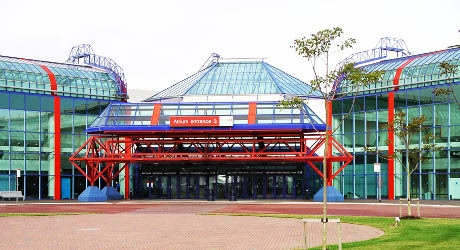
The title of the UK’s largest exhibition centre is generally held by the National Exhibition Centre (NEC) in Birmingham.

The NEC boasts:

  • Over 186,000 square metres of exhibition space
  • 20 interlinked halls
  • Capacity to host some of the UK’s largest trade shows, consumer events and conferences
  • Excellent transport links via road, rail and Birmingham Airport

Major UK events across manufacturing, retail, technology, construction, healthcare and lifestyle sectors regularly take place at the NEC, making it a key destination for brands looking to reach large and diverse audiences.

Other major UK exhibition centres

While the NEC is the largest, the UK is home to several other significant exhibition venues, including:

  • ExCeL London – one of the most prominent venues for international trade shows
  • Manchester Central – popular for industry and professional events
  • Olympia London – a historic venue undergoing major redevelopment
  • Scottish Event Campus (SEC), Glasgow – a leading venue in Scotland

Each venue brings different challenges and opportunities, depending on audience size, hall layout and event objectives.

Why the biggest venue doesn’t guarantee the best results

Large exhibition centres can be overwhelming. With hundreds of exhibitors competing for attention, it’s easy to blend into the background. We often see brands invest heavily in floor space without a clear plan for:

  • Driving traffic to their stand
  • Engaging visitors once they arrive
  • Capturing meaningful data
  • Converting conversations into commercial outcomes

That’s where strategy becomes more important than scale.

How Saward Marketing and Events helps you succeed

At Saward Marketing and Events, we help brands turn exhibitions – whether at the NEC or any other UK venue – into focused, results-driven experiences.

Pre-event strategy and planning

Success starts long before the doors open. We help you define:

  • Clear ROI and ROO objectives
  • Target audiences and priority conversations
  • Pre-show marketing and audience warming activity

Stand design with purpose

Rather than designing stands that simply look good, we design environments that encourage interaction. From layout and messaging to demos, touchpoints and calls to action, every element is created to support engagement.

On-stand experience and engagement

We help you plan what actually happens on the stand – not just how it looks. That includes:

  • Visitor journeys
  • Lead capture and qualification
  • Content prompts, conversations and experiences

Post-event follow-up and momentum

An event doesn’t end when the halls close. We help ensure your exhibition activity feeds into sales, marketing and partnership pipelines long after the show finishes.

Big venue, clear strategy, better outcomes

The NEC may be the biggest exhibition centre in the UK, but the brands that win there aren’t always the ones with the biggest stands. They’re the ones with the clearest objectives, strongest engagement strategies and most joined-up planning.

If you’re exhibiting at a major UK exhibition centre and want to ensure your investment delivers real value, Saward Marketing and Events can help you plan, design and deliver a successful event experience from start to finish.

Planning an upcoming exhibition? Get in touch with Saward Marketing and Events to talk through how we can support your next event.

Event Success in 2026 Starts Before the Doors Open

Event success in 2026 isn’t going to be about the size of your stand. It’s about what you do before anyone sets foot in the hall.

If we’re being honest with ourselves, your ROI is largely decided before the doors even open.

I think about events like a runway. If you don’t build enough of one, it doesn’t matter how good the plane is… it’s not taking off.

Here’s what I’m seeing the best-performing exhibitors do before the show.

1) Set ROI and ROO targets

You can’t measure what you haven’t defined.

ROI is the money.
ROO is everything else: visibility, demos, partnerships, momentum.

In 2026, ROI without ROO is only half the picture.

2) Warm your audience

Don’t rely on footfall.

Use social posts, email nudges, speaker teasers and behind-the-scenes prep to build familiarity and intent ahead of time. If people arrive looking for you, you’re already winning.

3) Align the team

Everyone on the stand should know:

  • What success looks like
  • Who you want to meet
  • What questions matter
  • What data needs capturing

The best stands feel calm, confident and intentional rather than reactive.

4) Design for engagement, not decoration

A beautiful stand that doesn’t invite interaction is just expensive furniture.

Your design should create reasons to stop, talk, scan, sign up, take photos and learn.

Tomorrow I’m going to cover what happens during the event, and why busy doesn’t always mean effective.

If you want help tightening this framework for your 2026 events, you know where I am.

Where We Help Brands Exhibit

Exhibiting is about more than simply turning up with a stand. Every venue has its own layout, rules, logistics, and audience expectations, and understanding how to work within those environments is key to delivering a successful exhibition. At Saward Marketing, we support brands exhibiting across the UK and internationally, helping them plan, design, and deliver effective exhibition presences wherever they choose to show.

Below are some of the key venues where we regularly help clients exhibit.

Major UK exhibition venues

Birmingham NEC

The National Exhibition Centre in Birmingham is the UK’s largest exhibition venue and one of the busiest in Europe. With multiple halls hosting major trade shows throughout the year, the NEC offers huge exposure but also requires careful planning. We support clients with stand design, build, logistics, and on-site coordination to help them stand out in this highly competitive environment.

ExCeL London

Located in London’s Docklands, ExCeL London is a major destination for international exhibitions, conferences, and corporate events. Its scale and location make it ideal for brands targeting both UK and global audiences. We help clients navigate the practicalities of exhibiting here while ensuring their stand makes a strong impression.

Olympia London

Olympia is one of the UK’s most iconic exhibition venues. With its distinctive architecture and listed features, exhibiting at Olympia can involve additional considerations around access, rigging, and compliance. We help brands deliver stand solutions that work within the venue’s requirements while still looking polished and professional.

Other key UK venues we support

Alongside the major national venues, we also support exhibitions at a range of important regional locations, including:

  • Harrogate Convention Centre – popular for specialist and professional shows
  • NAEC Stoneleigh – well known for agricultural, equestrian, and outdoor industries
  • Manchester Central – a major northern exhibition and conference venue
  • Royal Highland Showground – hosting large-scale events and trade shows in Scotland

Exhibiting across Europe

Germany (Messe venues)

Germany is a global leader in international trade fairs, with major Messe venues in Munich, Frankfurt, Düsseldorf, and Hannover. These exhibitions attract international buyers, press, and industry leaders. We help clients prepare for the scale and expectations of German events, from stand design through to build and breakdown planning.

France (Paris Expo Porte de Versailles)

Paris Expo Porte de Versailles is France’s largest exhibition venue and a key destination for international trade shows. Exhibiting here offers strong exposure but also high competition. We help brands create confident, professional stand presences that work for an international audience.

The Netherlands (RAI Amsterdam and MECC Maastricht)

The Netherlands is home to two highly regarded venues: RAI Amsterdam and MECC Maastricht. Both host a wide range of international exhibitions and conferences. We support clients with stand planning, logistics, and delivery to ensure a smooth and effective exhibition experience.

Exhibiting in the USA

The United States offers countless exhibition opportunities, including major venues such as the Las Vegas Convention Center, which hosts some of the world’s largest trade shows. International exhibiting often requires additional coordination around shipping, schedules, and local regulations, and we help clients manage these complexities with confidence.

Supporting your exhibition wherever you go

No matter the venue, our role is the same: to help brands exhibit with confidence. From initial planning and stand design to logistics, build, and on-site delivery, Saward Marketing supports clients at every stage of the exhibition process.

If you’re planning an exhibition in the UK, Europe, or the USA, we’d be happy to talk through your requirements and recommend the best approach for your goals.

Enquire about exhibiting with Saward Marketing

Saward Marketing & Events Blog: Planning Your Exhibition at the Birmingham NEC 

Exhibiting at the Birmingham NEC is a major opportunity for brands looking to increase visibility, generate leads, and connect with their target audience. As one of the UK’s largest exhibition venues, the NEC hosts thousands of visitors across a wide range of industries, making careful planning essential if you want to stand out and maximise your return on investment.

Start with clear objectives

Before thinking about stand design or marketing materials, it’s important to define what you want to achieve from the exhibition. Are you aiming to generate new leads, launch a product, increase brand awareness, or strengthen relationships with existing clients? Clear objectives will guide decisions around stand size, layout, staffing, and follow-up activity.

Understand the Birmingham NEC environment

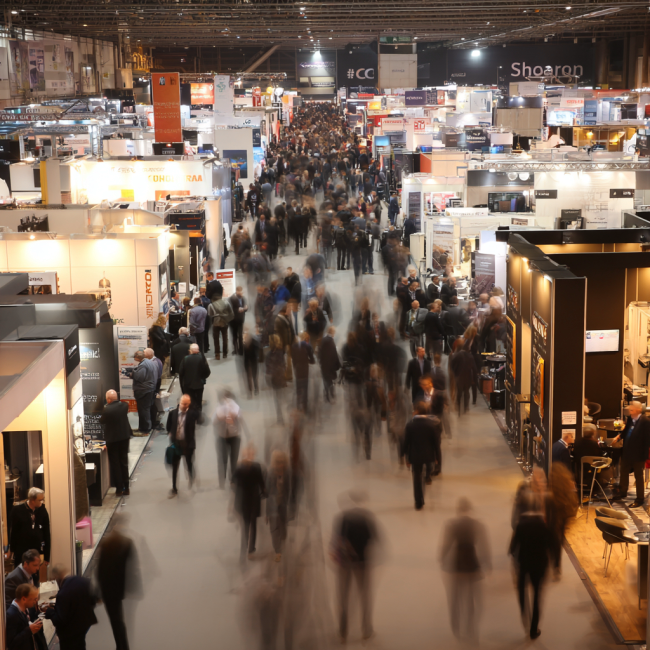
The NEC is a large, fast-paced venue with multiple halls often in use at the same time. Understanding your allocated hall, visitor flow, ceiling heights, and neighbouring stands can have a big impact on your planning. Early access to floor plans and exhibitor manuals allows you to consider visibility, access points, power requirements, and any rigging or height restrictions.

Design a stand that works hard for you

Your exhibition stand should be both visually striking and highly functional. At a busy venue like the NEC, clear branding and simple messaging help visitors quickly understand who you are and what you offer. An open, welcoming layout encourages people to step onto the stand and start conversations.

Think about how visitors will move through the space, where key interactions will happen, and how leads will be captured. A well-designed stand balances impact with practicality.

Plan logistics early

Logistics at the NEC need to be carefully managed. Build-up and breakdown times are tightly scheduled, and access to halls is strictly controlled. Transport, storage, health and safety documentation, and compliance with NEC regulations should all be planned well in advance to avoid delays or unexpected costs.

Working with an experienced exhibition partner can help ensure everything runs smoothly on site.

Prepare and brief your team

Your stand staff play a crucial role in the success of your exhibition. Make sure everyone attending understands the event objectives, key brand messages, and how to engage confidently with visitors. Staff should be prepared to qualify leads, answer common questions, and record useful information consistently.

It’s also important to plan rotas and breaks, particularly for multi-day events, to keep energy levels high.

Promote your presence before the show

Don’t rely solely on footfall during the event. Promote your attendance in advance through email campaigns, social media, your website, and direct invitations to clients and prospects. Let people know where to find you, what you’ll be showcasing, and why it’s worth visiting your stand.

Pre-show promotion often leads to better-quality conversations on the stand.

Capture and follow up leads effectively

Have a clear plan in place for capturing leads, whether that’s through scanners, digital forms, or structured conversations. The real value of exhibiting often comes after the show, so prompt and relevant follow-up is essential.

Segment leads based on interest or priority and ensure they’re contacted while the event is still fresh in their minds.

Review performance and refine your approach

After the exhibition, review performance against your original objectives. Look at lead numbers, quality, engagement levels, and overall return on investment. This insight will help you refine your approach and improve results at future exhibitions.

Work with experienced exhibition specialists

Exhibiting at the Birmingham NEC can be complex, but it doesn’t have to be overwhelming. Working with a specialist exhibition partner can help you manage everything from concept and design to build, logistics, and on-site delivery.

Saward Marketing & Events supports brands at every stage of the exhibition process, creating impactful stands and seamless experiences that deliver real results at the Birmingham NEC and beyond.

Talk to us about your NEC exhibitionExhibiting at the Birmingham NEC is a major opportunity for brands looking to increase visibility, generate leads, and connect with their target audience. As one of the UK’s largest exhibition venues, the NEC hosts thousands of visitors across a wide range of industries, making careful planning essential if you want to stand out and maximise your return on investment.

Start with clear objectives

Before thinking about stand design or marketing materials, it’s important to define what you want to achieve from the exhibition. Are you aiming to generate new leads, launch a product, increase brand awareness, or strengthen relationships with existing clients? Clear objectives will guide decisions around stand size, layout, staffing, and follow-up activity.

Understand the Birmingham NEC environment

The NEC is a large, fast-paced venue with multiple halls often in use at the same time. Understanding your allocated hall, visitor flow, ceiling heights, and neighbouring stands can have a big impact on your planning. Early access to floor plans and exhibitor manuals allows you to consider visibility, access points, power requirements, and any rigging or height restrictions.

Design a stand that works hard for you

Your exhibition stand should be both visually striking and highly functional. At a busy venue like the NEC, clear branding and simple messaging help visitors quickly understand who you are and what you offer. An open, welcoming layout encourages people to step onto the stand and start conversations.

Think about how visitors will move through the space, where key interactions will happen, and how leads will be captured. A well-designed stand balances impact with practicality.

Plan logistics early

Logistics at the NEC need to be carefully managed. Build-up and breakdown times are tightly scheduled, and access to halls is strictly controlled. Transport, storage, health and safety documentation, and compliance with NEC regulations should all be planned well in advance to avoid delays or unexpected costs.

Working with an experienced exhibition partner can help ensure everything runs smoothly on site.

Prepare and brief your team

Your stand staff play a crucial role in the success of your exhibition. Make sure everyone attending understands the event objectives, key brand messages, and how to engage confidently with visitors. Staff should be prepared to qualify leads, answer common questions, and record useful information consistently.

It’s also important to plan rotas and breaks, particularly for multi-day events, to keep energy levels high.

Promote your presence before the show

Don’t rely solely on footfall during the event. Promote your attendance in advance through email campaigns, social media, your website, and direct invitations to clients and prospects. Let people know where to find you, what you’ll be showcasing, and why it’s worth visiting your stand.

Pre-show promotion often leads to better-quality conversations on the stand.

Capture and follow up leads effectively

Have a clear plan in place for capturing leads, whether that’s through scanners, digital forms, or structured conversations. The real value of exhibiting often comes after the show, so prompt and relevant follow-up is essential.

Segment leads based on interest or priority and ensure they’re contacted while the event is still fresh in their minds.

Review performance and refine your approach

After the exhibition, review performance against your original objectives. Look at lead numbers, quality, engagement levels, and overall return on investment. This insight will help you refine your approach and improve results at future exhibitions.

Work with experienced exhibition specialists

Exhibiting at the Birmingham NEC can be complex, but it doesn’t have to be overwhelming. Working with a specialist exhibition partner can help you manage everything from concept and design to build, logistics, and on-site delivery.

Saward Marketing & Events supports brands at every stage of the exhibition process, creating impactful stands and seamless experiences that deliver real results at the Birmingham NEC and beyond.

Talk to us about your NEC exhibition

Start with clear objectives

Before thinking about stand design or marketing materials, it’s important to define what you want to achieve from the exhibition. Are you aiming to generate new leads, launch a product, increase brand awareness, or strengthen relationships with existing clients? Clear objectives will guide decisions around stand size, layout, staffing, and follow-up activity.

Understand the Birmingham NEC environment

The NEC is a large, fast-paced venue with multiple halls often in use at the same time. Understanding your allocated hall, visitor flow, ceiling heights, and neighbouring stands can have a big impact on your planning. Early access to floor plans and exhibitor manuals allows you to consider visibility, access points, power requirements, and any rigging or height restrictions.

Design a stand that works hard for you

Your exhibition stand should be both visually striking and highly functional. At a busy venue like the NEC, clear branding and simple messaging help visitors quickly understand who you are and what you offer. An open, welcoming layout encourages people to step onto the stand and start conversations.

Think about how visitors will move through the space, where key interactions will happen, and how leads will be captured. A well-designed stand balances impact with practicality.

Plan logistics early

Logistics at the NEC need to be carefully managed. Build-up and breakdown times are tightly scheduled, and access to halls is strictly controlled. Transport, storage, health and safety documentation, and compliance with NEC regulations should all be planned well in advance to avoid delays or unexpected costs.

Working with an experienced exhibition partner can help ensure everything runs smoothly on site.

Prepare and brief your team

Your stand staff play a crucial role in the success of your exhibition. Make sure everyone attending understands the event objectives, key brand messages, and how to engage confidently with visitors. Staff should be prepared to qualify leads, answer common questions, and record useful information consistently.

It’s also important to plan rotas and breaks, particularly for multi-day events, to keep energy levels high.

Promote your presence before the show

Don’t rely solely on footfall during the event. Promote your attendance in advance through email campaigns, social media, your website, and direct invitations to clients and prospects. Let people know where to find you, what you’ll be showcasing, and why it’s worth visiting your stand.

Pre-show promotion often leads to better-quality conversations on the stand.

Capture and follow up leads effectively

Have a clear plan in place for capturing leads, whether that’s through scanners, digital forms, or structured conversations. The real value of exhibiting often comes after the show, so prompt and relevant follow-up is essential.

Segment leads based on interest or priority and ensure they’re contacted while the event is still fresh in their minds.

Review performance and refine your approach

After the exhibition, review performance against your original objectives. Look at lead numbers, quality, engagement levels, and overall return on investment. This insight will help you refine your approach and improve results at future exhibitions.

Work with experienced exhibition specialists

Exhibiting at the Birmingham NEC can be complex, but it doesn’t have to be overwhelming. Working with a specialist exhibition partner can help you manage everything from concept and design to build, logistics, and on-site delivery.

Saward Marketing & Events supports brands at every stage of the exhibition process, creating impactful stands and seamless experiences that deliver real results at the Birmingham NEC and beyond.

Talk to us about your NEC exhibition

Preparing for Your Summer Exhibitions at Hillhead During the Winter Months

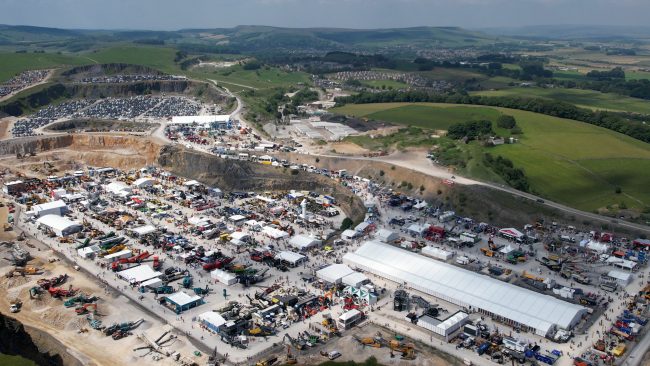
Hillhead is unlike any other exhibition. Set in a working quarry near Buxton, Derbyshire, it brings together hundreds of exhibitors and thousands of visitors from across the quarrying, construction and recycling sectors every two years. With live demonstrations, heavy kit on the move and large-scale outdoor builds, it demands more planning and preparation than a typical indoor show.

That’s why the smartest exhibitors don’t start planning in the spring – they begin during the winter months.

At Saward Marketing & Events, we’ve supported brands at Hillhead for many years, working alongside partners like GL events to deliver eye-catching, high-performing exhibition structures in the quarry environment. Winter is when we help clients shape their strategy, design their stands and lock in logistics so they’re calm, ready and confident when summer arrives.

Here’s how to use the winter months to set your brand up for its best Hillhead yet.


1. Start with Strategy, Not Stand Size

Before you think about square metres or structure height, use the quieter winter period to get clear on your objectives.

Ask yourself:

  • Are we launching new plant, products or technology at Hillhead?
  • Do we want to drive qualified leads, distributor meetings or press coverage?
  • Is our focus brand visibility, hospitality for key customers, or live demos?
  • Which markets (quarrying, construction, recycling) do we most want to speak to?

Once your goals are defined, your stand design, layout, hospitality and demo schedule can all be built to support them – instead of simply filling a plot because “that’s what we always book”.

How Saward Marketing & Events helps: we work with you to translate business goals into a clear exhibition plan, so every element of your presence at Hillhead has a purpose.


2. Lock In Your Space and Structures Early

Hillhead is a busy, high-demand show with a mix of outdoor plots, demo areas and indoor pavilion space. The best positions and structure options are often secured well in advance.

Use the winter months to:

  • Confirm (or upgrade) your stand location and footprint
  • Decide whether you need an enclosed structure, open deck, hospitality area – or a combination
  • Plan how your products, machines or technology will be displayed and accessed safely
  • Allow time for ground works, level changes or special access if required

Because Hillhead is held in a quarry, there are additional practical considerations – gradients, visibility lines, weather exposure and visitor flow all matter more than at a flat indoor venue.

How Saward Marketing & Events helps: we design and manage stand builds that work with the quarry environment, not against it – from elevated leg heights to improve visibility to clever indoor/outdoor layouts that make the most of the dramatic setting.


3. Design a Stand That Works in a Real Quarry

Hillhead is a working environment: dusty underfoot, potentially hot or wet depending on the weather, and full of movement. Your stand needs to look exceptional but also be robust, safe and practical.

Winter is the perfect time to:

  • Develop 3D visuals and floorplans that consider visitor flow and sightlines from multiple approaches
  • Plan clear product zones – static displays, demo viewing, meeting space, hospitality, reception
  • Choose durable finishes and furnishings suitable for an outdoor quarry environment
  • Integrate storage, staff welfare and secure areas discreetly into the design
  • Plan lighting that works in bright sunshine and gloomy conditions alike

Think of your structure as a temporary HQ in the quarry – it should feel professional, on-brand and welcoming, but also tough enough for three long, busy days.

How Saward Marketing & Events helps: our team creates bespoke stand concepts for Hillhead that balance impact with practicality, ensuring your brand looks polished whatever the weather throws at you.


4. Plan Your Live Demonstrations and Visitor Experience

One of Hillhead’s biggest draws is the ability to see equipment working in a live quarry environment. If you’re showcasing machinery, attachments or processing lines, winter is the time to choreograph how visitors will experience them.

Consider:

  • Which products will be running live, and which will be static displays
  • Safe viewing positions and clear sightlines for demos
  • Signage, briefing points and demo schedules
  • Integration of video screens or AR/VR to show capabilities that can’t be demonstrated on site
  • How your sales team engages visitors before and after each demo

A well-planned visitor journey – from first impression, into your stand, through a demo and into a meaningful conversation – is what turns quarry traffic into tangible leads.

How Saward Marketing & Events helps: we map the visitor journey on your stand and help script and stage demos so your team knows exactly what happens, when, and why.


5. Get Ahead with Branding, Graphics and Content

Winter is the ideal time to create the visual and written content that will bring your stand to life. Leaving this until late spring risks rushed, inconsistent messaging.

Use these months to:

  • Update your brand messaging and key product claims
  • Design stand graphics, hero visuals and wayfinding signage
  • Create video content, motion graphics and demo loops
  • Prepare technical datasheets, brochures and QR-linked downloads
  • Align your on-stand messaging with your website and social media

By the time spring arrives, you want your creative assets ready to go – not still waiting for sign-off.

How Saward Marketing & Events helps: we handle stand graphics, digital content and print collateral as part of a joined-up exhibition package, so everything feels cohesive and on-brand.


6. Sort Logistics, Accommodation and On-Site Operations Early

Hillhead is a popular event in a busy area, and practical arrangements can book up quickly. The winter planning window is perfect for securing the essentials:

  • Accommodation for your team and key customers
  • Transport for staff, guests and equipment
  • Heavy kit logistics – delivery, offloading, positioning and removal of machines
  • Catering and hospitality – coffee, refreshments, lunches, evening receptions
  • Power, data and services required for your stand and demos

Having a clear timeline and logistics plan before spring means fewer surprises and smoother build and breakdown phases.

How Saward Marketing & Events helps: we project manage your Hillhead presence end-to-end, coordinating suppliers and schedules so you can focus on your customers instead of chasing deliveries and power drops.


7. Build Your Pre-Show Marketing Calendar

Hillhead is a fantastic platform – but only if the right people know you’re there and why they should visit your stand.

Use winter to set up a pre-show marketing plan that might include:

  • Save-the-date emails and invitations for key customers and prospects
  • Social media campaigns counting down to the show
  • Landing pages with meeting booking options
  • Press releases or media briefings for product launches
  • Show-only offers, demo slots or VIP hospitality sessions

By starting now, your campaign can build steadily and strategically, rather than rushing out last-minute messages in June.

How Saward Marketing & Events helps: we can support with copywriting, design and campaign planning to ensure your on-stand activity is backed by strong pre-show communication.


8. Don’t Forget Safety, Compliance and Sustainability

In a live quarry environment, safety and compliance are non-negotiable. Winter is a good time to review:

  • Risk assessments and method statements for your stand and demos
  • PPE requirements for staff and visitors
  • Accessibility for all guests
  • Opportunities to reduce waste and improve sustainability on your stand

With increasing emphasis on environmental performance, considering sustainable materials, re-usable structures and low-waste hospitality during the planning phase will put you ahead of the curve.

How Saward Marketing & Events helps: we work within Hillhead’s guidelines and best practice to ensure your stand and activity are safe, compliant and aligned with contemporary sustainability expectations.


Make This Winter the Start of Your Best Hillhead Yet

Hillhead is a major investment of time, money and resource – but the returns can be exceptional when you plan early, design intelligently and execute confidently.

By using the winter months to get ahead on strategy, stand design, logistics, content and marketing, you:\

  • Reduce last-minute stress
  • Make better use of your budget
  • Give your team clear direction and tools to succeed
  • Arrive on site ready to focus on visitors, not firefighting

Saward Marketing & Events is here to help you at every stage – from initial concept and plotting out your presence, through to stand design, build, graphics, logistics and on-site support at Hillhead.

Planning to exhibit at the next Hillhead?
Use this winter to get ahead. Contact Saward Marketing & Events to discuss your goals and let’s start building an exhibition presence that truly stands out in the quarry this summer.

Best Practices When Exhibiting at the NEC Birmingham – And How Saward Marketing & Events Can Build Your Next Stand

The NEC Birmingham is one of the UK’s leading exhibition venues, attracting thousands of visitors annually across trade shows, consumer expos, and industry events. Whether you’re attending to showcase a product, generate leads, or strengthen your brand presence, your stand must work hard for you. A successful exhibition requires planning, smart design choices, customer engagement, and post-event strategy — and that’s where Saward Marketing & Events can help you stand out.

In this blog, we’ll explore best practices for exhibiting at the NEC and how partnering with Saward Marketing & Events ensures your next exhibition stand makes a powerful impact.


1. Define Clear Objectives Before You Exhibit

Before you commit to a stand design or printed materials, you must understand what you want to achieve at the NEC. Exhibitions can deliver exceptional ROI when goals are set early.

Ask yourself:

  • Are we looking to generate high-quality leads?
  • Do we want to launch or demo a product?
  • Is brand visibility our top priority?
  • Do we want to meet distributors, partners or investors?

Your answer will influence layout, messaging, staffing and follow-up activities.

2. Stand Design Matters — Make It Memorable

With hundreds of stands competing for attention, visual impact is everything. Your message must be clear from the moment attendees walk past. A well-designed stand attracts, engages and converts visitors into conversations.

Effective stand design includes:

  • Bold, easy-to-read branding visible from a distance
  • Smart use of lighting to highlight key areas
  • Clean layout with natural visitor flow
  • Multimedia displays — screens, motion graphics, product demos
  • Comfortable welcoming space for discussions

Saward Marketing & Events specialises in bespoke exhibition stand builds that are visually striking and functional. Whether modular or custom-built, we make sure your design reflects your brand perfectly.

3. Make Your Stand Experience Interactive

People remember experiences more than brochures. To maximise engagement, give visitors something to do — not just something to look at.

Ideas to try:

  • Product demonstrations
  • Live workshops or scheduled talks
  • VR or touch-screen digital interaction
  • Hands-on product testing
  • Giveaways, competitions, branded merch

Interaction increases dwell time and creates natural conversations that convert into leads.

4. Promote Your NEC Presence Before the Event

Don’t wait for attendees to stumble across you — let them know you’re exhibiting ahead of time. Building anticipation increases traffic to your stand from day one.

Pre-event marketing can include:

  • Social media announcements & countdown posts
  • Email campaigns inviting prospects to visit your stand
  • Press releases or partner mentions
  • Digital advertising targeted at event audiences
  • Exclusive show-only offers

Saward Marketing & Events can support content strategy and asset creation to ensure your event presence is amplified across multiple channels.

5. Train Your Stand Team

Your team represents your brand — their approach can make or break conversations. Knowledgeable, confident staff drive engagement and leave strong impressions.

Exhibition staffing essentials:

  • Professional appearance and consistent brand messaging
  • Strong product or service knowledge
  • Soft skills — approachable, proactive, attentive
  • Lead capture system and conversation prompts

A well-briefed team means no missed opportunities.

6. Capture Leads Efficiently

Exhibitions aren’t just about visibility — they’re about conversion. Use digital lead capture tools or QR systems so no valuable contact slips through the net. Prioritise quality over quantity and gather relevant information to support follow-up conversations.

7. Follow Up Quickly After the Show

The exhibition doesn’t end when the stand comes down. Following up is where results really happen.

Best practices include:

  • Contact warm leads within 24–72 hours
  • Send personalised emails, social connections or phone calls
  • Share post-event offers or downloadable resources
  • Analyse performance — footfall, leads, ROI

Fast follow-up shows professionalism and keeps your brand fresh in attendees’ minds.


How Saward Marketing & Events Helps You Exhibit with Confidence

From first concept to final installation, Saward Marketing & Events provides complete exhibition support for businesses attending the NEC Birmingham and events across the UK.

We offer:

  • Bespoke exhibition stand design and build
  • Modular, reusable structures to reduce long-term cost
  • Graphics, branding, printing & digital display design
  • Full installation & breakdown service
  • Complete event marketing support
  • Project management from planning through show completion

Whether you’re a first-time exhibitor or a seasoned NEC regular, we ensure your stand turns heads, sparks conversations and delivers measurable results.


Planning Your Next Exhibition? Let’s Build Something Amazing

If you want your next NEC appearance to be professional, impactful and unforgettable, Saward Marketing & Events is here to bring your vision to life. We combine creative stand design, strategic event planning and marketing expertise to help brands showcase their best.

Contact Saward Marketing & Events today to discuss your next exhibition stand project and let’s create something that draws a crowd.

Be memorable. Be engaging. Exhibit with confidence.

The Secret to a Successful Exhibition

Saward Marketing

Helping brands connect through powerful events and experiences

We often get asked: “What’s the secret to a successful exhibition?”

The reality is, there isn’t one single secret. Exhibitions work like machines — hundreds of moving parts all need to come together at exactly the right time. But over the years, our team at Saward Marketing has noticed a few things that consistently make the difference between a good exhibition and a great one.

Read More
Privacy Settings
We use cookies to enhance your experience while using our website. If you are using our Services via a browser you can restrict, block or remove cookies through your web browser settings. We also use content and scripts from third parties that may use tracking technologies. You can selectively provide your consent below to allow such third party embeds. For complete information about the cookies we use, data we collect and how we process them, please check our Privacy Policy
Youtube
Consent to display content from - Youtube
Vimeo
Consent to display content from - Vimeo
Google Maps
Consent to display content from - Google

Do you have an exhibition coming up?